
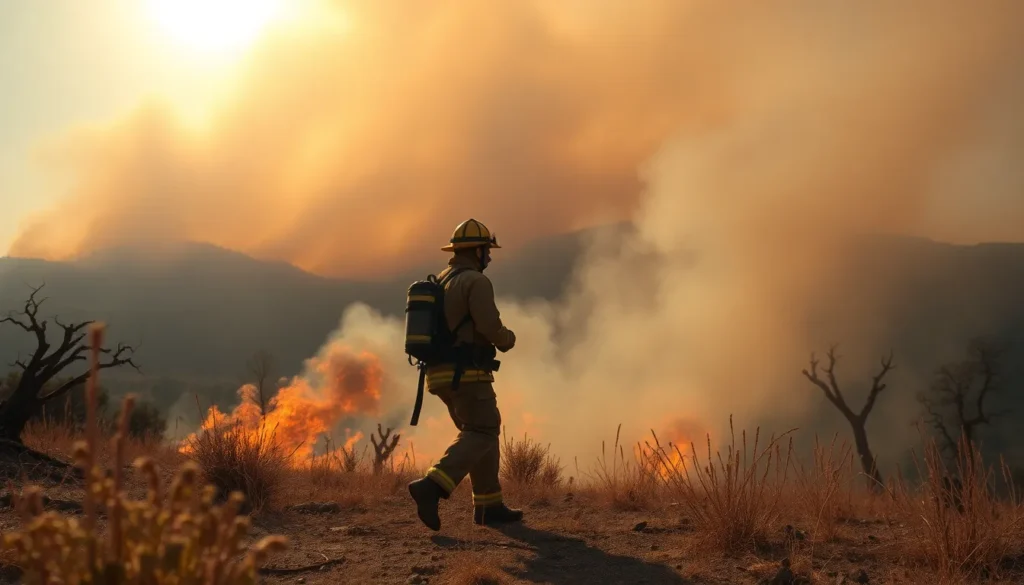
California’s wildfires have a reputation for being as unpredictable as a cat on a hot tin roof. Today, as flames dance and smoke billows, the situation is no different. Residents and onlookers alike are glued to their screens, seeking updates on the latest developments. With the sun shining bright and temperatures soaring, the state faces yet another fiery challenge.
Current Situation of the Fire in California
Wildfires continue to rage across California, with updates emerging frequently. Current firefighting efforts face challenges amid high temperatures and dry conditions.
Latest Updates on the Fire
Firefighters report progress in containment efforts, though certain areas remain at significant risk. Local authorities urge residents to stay vigilant as high winds may exacerbate the situation. Real-time data shows approximately 15,000 acres have burned, with containment at around 40%. Many communities are under evacuation orders due to prevailing conditions. Updates from the California Department of Forestry and Fire Protection indicate that firefighting resources have been deployed strategically to manage the blaze effectively.
Impact on Local Communities
Local communities experience extensive disruptions due to the fires. Evacuation orders affect thousands, forcing families to seek refuge in shelters. Air quality remains poor, leading to health advisories for vulnerable populations. Economic impacts are apparent as businesses close and residents may lose homes. Community organizations are mobilizing to provide aid for those displaced by the fires. Cleanup will require significant resources, which may burden local governments in the coming months.
Causes of the Wildfire
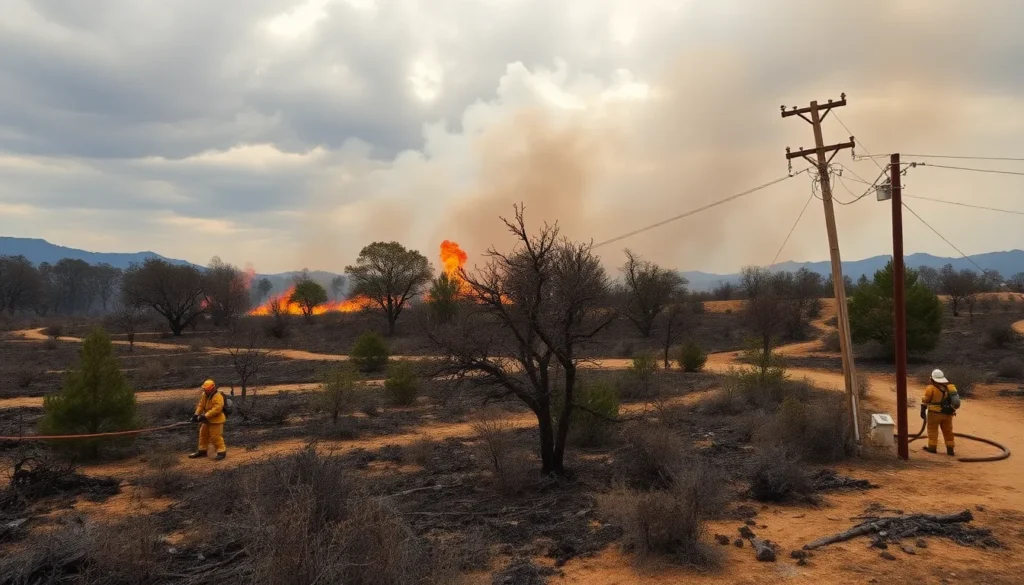
Several factors contribute to the current wildfires in California, exacerbating the already challenging conditions. Understanding these causes is essential in addressing and mitigating wildfire risks.
Climate Factors
High temperatures and prolonged drought set the stage for wildfires in California. Over the past few months, conditions have remained abnormally dry, leading to an increased likelihood of ignition. According to recent data, average temperatures are about 3 to 5 degrees Fahrenheit higher than normal for this time of year. Winds can also play a critical role, with gusts exceeding 20 miles per hour, quickly spreading flames across dry vegetation. Climate change has intensified these patterns, making wildfires more frequent and severe.
Human Contributions
Human activities significantly impact the ignition and spread of wildfires. Campfires left unattended, discarded cigarettes, and machinery sparks have all resulted in fire outbreaks. Additionally, utility equipment can malfunction, causing power lines to spark during windy conditions. A study indicated that approximately 85% of wildfires in California are caused by human actions. As urban areas expand into wildland regions, the risk of wildfires increases, placing even more pressure on firefighters and emergency responders.
Response and Management Efforts
Efforts to combat the wildfires in California focus on strategic firefighting and local authority coordination. Ongoing operations adapt to the changing environment and the unpredictable behavior of the flames.
Firefighting Strategies
Firefighters utilize various techniques to contain the blazes. Crews engage in direct firefighting, using hand tools and hoses to battle flames at the front lines. Additionally, they implement controlled burns to eliminate fuel and slow fire spread. Aerial support from helicopters and planes drops water and fire retardants, enhancing ground efforts. Coordination among local, state, and federal agencies proves crucial, allowing for resource sharing and tactical planning. The ongoing high temperatures and dry conditions challenge containment efforts, but progress remains evident. As of now, containment efforts stand at approximately 40% with ongoing assessments to adapt strategies based on weather patterns.
Role of Local Authorities
Local authorities play a vital role in wildfire response and management. Emergency services coordinate evacuations, ensuring public safety amid the ongoing threat. They issue alerts and updates to keep communities informed, utilizing social media and official channels. Collaboration with community organizations provides essential support for displaced residents. Local governments also assess damage and guide recovery initiatives, including providing shelters and resources for affected families. Monitoring air quality maintains public health awareness, prompting advisories for sensitive populations. Together, these actions illustrate how local agencies work tirelessly to protect and assist California residents during this crisis.
Public Safety Measures
Residents remain on high alert as wildfires continue to threaten communities across California. Local authorities prioritize safety through timely alerts and mandatory evacuations.
Evacuations and Alerts
Evacuation orders cover multiple regions impacted by the fires. Local agencies rapidly assess conditions and issue alerts to residents, ensuring timely communication. Communities along evacuation routes may experience congestion due to high traffic volumes. Shelters operate for those forced to leave their homes, providing safe spaces and essential resources. Keeping informed through official channels helps residents respond quickly to evolving situations. Many authorities utilize social media platforms for real-time updates to reach wider audiences.
Recommendations for Residents
Residents should prepare emergency kits containing necessary supplies. These kits may include food, water, medications, and important documents. In addition, local officials recommend creating communication plans with family members to stay connected during evacuations. Monitoring air quality alerts can help vulnerable individuals manage health risks associated with smoke inhalation. Staying indoors during high pollution days provides additional protection, alongside using air purifiers where possible. Ultimately, being proactive and informed enhances individual safety and community resilience during these challenging times.
The wildfires in California remain a pressing concern as communities navigate the challenges posed by the ongoing crisis. With thousands affected and significant resources required for recovery efforts, the situation underscores the importance of vigilance and preparedness.
As firefighting teams continue their dedicated work to contain the flames, residents must stay informed and heed evacuation orders. The collaboration among local authorities and community organizations is vital in providing support and ensuring safety.
Amidst the devastation, the resilience of Californians shines through as they come together to face these challenges head-on. It’s crucial to remain proactive in managing health risks and protecting homes during this unpredictable season.


